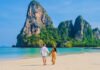
Saint Martin’s Island Is in Crisis. Can Bangladesh Still Save It?
Saint Martin’s Island, often promoted as Bangladesh’s only coral island, now stands at a dangerous crossroads. Years of neglect, unregulated construction, and uncontrolled tourism have pushed this fragile ecosystem close to collapse. The island is not a true coral island. It is a coral-bearing ecosystem with rare geology and biodiversity. Human activity has damaged that natural heritage, much of it in ways that authorities could have prevented.
Today, Saint Martin’s Island shows clear signs of ecological stress. The damage did not happen overnight. It reflects decades of poor planning, weak enforcement, and a development-first mindset that ignored environmental limits.
Saint Martin’s Island: How Years of Mismanagement Changed
In 1980, Saint Martin’s Island supported around 3,000 residents. It had one aging cyclone shelter and only a few hundred winter visitors. The island’s natural systems could still cope.
Today, nearly 12,000 people live on the island. Each tourist season brings hundreds of thousands of visitors. The island never had the ecological capacity to support this scale of pressure.
Authorities banned construction years ago, yet illegal buildings continue to appear. Government offices, hotels, resorts, and private homes now stand where mangroves, freshwater ponds, lagoons, and native vegetation once existed. Developers removed ancient coral rocks, some taller than a person, to use as building material. This removal stripped the shoreline of its natural protection and increased erosion and storm damage.
Overfishing has emptied nearby waters. Restaurants now import fish from the mainland during peak tourist months. Plastic waste, polythene, and untreated garbage cover large areas of the island. Government clean-up efforts remain limited and inconsistent.
As natural defenses disappeared, short-term profit replaced long-term survival. This approach benefits neither residents nor the environment.
A Basic Infrastructure Crisis No One Addressed
Saint Martin’s Island rests on a hard, shell-shaped bedrock that traps rainwater underground. This fragile system once supported people, crops, and wildlife.
Unplanned housing and tourist facilities now overload that system. Toilets and washrooms release waste that has nowhere to go. Sewage seeps into shallow groundwater instead of flowing out to sea. Residents use this contaminated water for drinking, cooking, and bathing.
Agricultural chemicals and insecticides also accumulate in the soil. Together, these threats create a serious public health risk that remains largely unaddressed.
Rising tides, erosion, and saltwater intrusion have already destroyed cropland and flooded homes. Many areas can no longer support vegetation. For years, the island needed trained staff, strict enforcement, and long-term planning. Instead, it received fragmented policies, weak oversight, and political interference driven by tourism revenue.
The Nine-Month Tourist Ban That Changed Everything
In 2025, the government took a rare and meaningful step. Authorities imposed a nine-month tourist ban from February to October. This decision gave Saint Martin’s Island something it had lacked for decades: time to recover.
The results appeared quickly.
Native Vegetation Made a Strong Return
Keora or screw pine, Raha Bon, Baen, Premna, Bola, Pipul, Nishinda, and other native species spread across villages, fallow land, and old coral zones. The rare Raha forest, located at the southern tip of the island, showed visible improvement. This forest remains one of the island’s most unique ecological features.
Beaches Came Back to Life
Sand bubbler and soldier crabs returned in large numbers. They reshaped the beaches with intricate sand patterns. Birds followed, feeding along quieter shorelines free from crowds and noise.
Marine Life Showed Early Signs of Recovery
On November 22, 2025, an Olive Ridley turtle nested earlier than usual. One turtle laid 115 eggs. Environmental workers relocated the eggs to protected hatcheries. They plan to release the hatchlings into the sea after incubation.
Cheradia Islands Recovered Faster Than Expected
The southern Cheradia islands experienced the strongest recovery. Reduced noise and human presence allowed native plants to spread rapidly across these fragile landforms.
These changes confirmed one clear fact. When human pressure drops, Saint Martin’s Island begins to heal.
Why Serious Problems Still Remain
The tourist ban alone cannot save the island.
Illegal construction continues. Bright resort lights still confuse turtle hatchlings. Stray dogs roam nesting beaches, dig up eggs, and disrupt wildlife. Waste management remains weak, with rubbish piling up in many areas.
These failures point to a deeper issue. Saint Martin’s Island still lacks a permanent management system. Seasonal bans and symbolic rules cannot replace trained conservation staff, scientific planning, and strict enforcement.
What Saint Martin’s Island Needs Right Now
The future of Saint Martin’s Island depends on immediate, science-based action.
Environmental Management Priorities
Authorities must enforce daily waste collection and proper disposal. They must ban all motorized vehicles near beaches and coral zones. Boats should anchor only in designated areas. Concrete construction must remain permanently banned except for essential infrastructure.
The island needs solar power, rainwater harvesting, and a small desalination system for residents and limited visitors. Sewage and organic waste must undergo treatment and composting. A proper harbor should protect fishing boats during storms.
Local youth and students can support conservation teams as trained volunteers. Shopkeepers and residents need training in water use, energy use, and waste sorting. Authorities must strictly prohibit stone extraction and ban the sale or removal of shells and corals.
Native vegetation should form a natural barrier against waves and saltwater intrusion. The government must remove exotic plants from sensitive areas and restore lagoon connections to support fish breeding and bird life.
Wildlife Protection Measures
Authorities should declare all three Cheradia islands strict no-entry zones for the public. They must ban fishing within one kilometer of the island. Officials should remove or sterilize stray dogs and regulate domestic animals.
Conservation staff must protect turtle nesting beaches around the clock and remove obstacles such as sandbags. Continuous wildlife monitoring should become standard practice.
Responsible Tourism Rules
The daily visitor cap of 2,000 must remain in place. Authorities should issue permanent passes for residents and workers. All boats must carry Saint Martin’s registration.
The February to October closure should continue every year, with financial support for vulnerable island residents. QR-coded passes, approved vessels, and strict bans on night lighting, noise, and plastic use must remain enforced.
Solar-powered vehicles are typically restricted to operating only on designated roads. Wildlife disturbance should carry clear penalties.
Why Delay Is No Longer an Option
Bangladesh risks losing Saint Martin’s Island forever. The nine-month ban proved that recovery remains possible, but only under strict protection. Without permanent management, the island will slide back into decline.
Saint Martin’s Island is not just a tourist destination. It is a national ecological asset. Future generations deserve more than a damaged remnant of what once existed.
The choice now rests with policymakers. They can protect Saint Martin’s Island through science, planning, and enforcement. Or they can allow irreversible loss. The window to act remains open, but it grows narrower every year.