
Decoding Paris Haute Couture Week: Rules of the World’s Most Elite Fashion Club
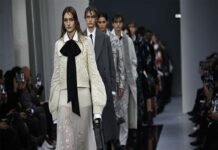
Paris begins its four-day showcase of ultra-exclusive Haute Couture this Monday. While the runway looks capture global attention, the structure behind the calendar remains a mystery to many. The process involves strict legal protections, ancient traditions, and a highly selective membership process.
The Restricted Circle: Who Owns the “Haute Couture” Name?
In France, “Haute Couture” is not just a description; it is a legally protected title. The Federation de la Haute Couture et de la Mode (FHCM) oversees this accreditation, and currently, only 13 fashion houses hold the official status.
This elite group includes global giants like Dior, Chanel, and Givenchy, alongside creative powerhouses such as Schiaparelli and Maison Margiela. Because the designation lasts for only one year, brands must reapply and meet high standards every single season.
Interestingly, some famous names are absent from the list:
-
Saint Laurent: Withdrew from the couture calendar in 2002.
-
Hermès: Currently operates in luxury ready-to-wear but aims to launch its own couture line by 2027.
Beyond the 13 French houses, seven “corresponding members” like Armani, Valentino, and Elie Saab participate, representing elite craftsmanship based outside of France.
New Voices and Historic Debuts
The FHCM also opens its doors to “guest designers” each season to maintain fresh creative energy. This week features 28 houses, including a historic debut by Phan Huy. At age 26, Huy is the youngest designer ever invited to the program and serves as the first-ever Vietnamese couturier in the event’s history.
Pierre Groppo of Vanity Fair France notes that this blend of legendary heritage houses and bold newcomers creates a unique vision for the future of fashion.
The Strict Criteria for Official Certification
A brand cannot simply call itself “Couture.” To earn the label, the FHCM enforces several rigorous requirements:
-
Handmade & Original: Every design must be original, hand-sewn, and made-to-measure for the client.
-
French Workshops: The brand’s permanent artistic director must create the designs in workshops located in France.
-
Dual Specialization: A house must maintain a “tailleur” workshop for structured items like jackets and a “flou” workshop for fluid garments like dresses.
-
Staffing & Scheduling: Brands must employ at least 20 people and present two shows annually in Paris (January and July).
While the rules suggest a minimum of 25 looks per show, the FHCM offers slight flexibility for smaller houses to prioritize artistry over rigid quotas.
A Legacy of Craftsmanship and Culture
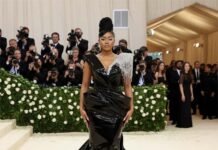
Haute Couture represents the pinnacle of fashion, predating mass-produced “ready-to-wear” clothing. These designers serve an extremely wealthy clientele, creating garments that cost thousands of dollars for weddings, galas, and red carpets.
Originating in the late 19th century, the industry gained official government regulation in 1945. Today, it is more than just business; it is a “laboratory” for creativity. In a major win for the industry, France recently added Haute Couture to its intangible cultural heritage list, a vital step toward receiving official UNESCO world heritage status.