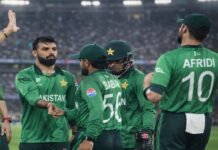
Lahore Crisis Summit: The ICC’s High-Stakes Mission to Save the India-Pakistan Clash
The 2026 T20 World Cup has hit a massive political roadblock. On Sunday evening, a high-ranking delegation from the International Cricket Council (ICC) landed in Lahore for “make-or-break” negotiations with the Pakistan Cricket Board (PCB). The goal? To stop a government-mandated boycott that could cripple the tournament’s most profitable fixture.
The Mediator: Imran Khawaja Takes the Lead
Leading the charge is Imran Khawaja, the ICC Deputy Chairman. His mission is delicate: convince the Pakistani authorities to reverse their decision to skip the match against arch-rivals India. This diplomatic intervention comes as the ICC frantically searches for a “back-channel” solution to maintain the tournament’s integrity.
Meeting Participants & Agenda
| Key Figure | Organization | Role |
| Imran Khawaja | ICC | Chief Negotiator |
| Mohsin Naqvi | PCB | Host Chairman |
| Aminul Islam | BCB | Regional Mediator |
| Shehbaz Sharif | Govt of Pakistan | Decision Maker |
The Bangladesh Factor
In a surprising move, Bangladesh Cricket Board (BCB) President Aminul Islam has also joined the fray. Arriving in Lahore on Sunday, Islam held a brief but crucial meeting with PCB Chairman Mohsin Naqvi. His presence suggests that South Asian neighbors are deeply concerned about the commercial and diplomatic fallout of such a massive boycott.
A Clash of Ideologies: Politics vs. Play
The standoff escalated after Pakistan Prime Minister Shehbaz Sharif publicly endorsed the federal cabinet’s decision to bar the national team from facing India. Sharif’s logic is a paradox; he claims the move is necessary to “remove politics from sports,” yet the boycott itself is seen as a major political statement.
“We are standing firm. Our position is clear: the match against India is not happening,” the Prime Minister stated earlier this week, leaving very little room for compromise.
Why This Meeting Is Critical
The T20 World Cup, now in its third day (having started February 7), must retain the millions of dollars in broadcasting and sponsorship revenue that an India-Pakistan game generates for the ICC.
If Khawaja fails to persuade the PCB, the ICC faces a nightmare scenario:
-
Commercial Failure: Massive losses for global sponsors.
-
Legal Chaos: Potential lawsuits regarding broadcasting rights.
-
Precedent: A permanent fracture in how international cricket tournaments are scheduled.
Final Verdict
The lights at the PCB headquarters will be burning late tonight. The result of this Sunday’s meeting will decide whether the 2026 T20 World Cup continues as a global celebration of cricket or becomes a footnote in a long history of sporting diplomacy failures.